
Styling
How to Build a Jewellery Set That Works Together | Aurea
A calm styling guide to pairing a necklace, earrings and bracelet so stones and metal match, plus where a ring fits into the set.

A set of jewellery is easy to recognise and harder to explain. It is the necklace, earrings, and bracelet that look as if they were always meant to be worn together — not because they are identical, but because something about them agrees: the weight of the metal, the size of the stones, the way the light catches each piece in turn. Building that kind of set from scratch, piece by piece, is where most people get stuck. Not because the rules are complicated, but because nobody sets them out plainly.
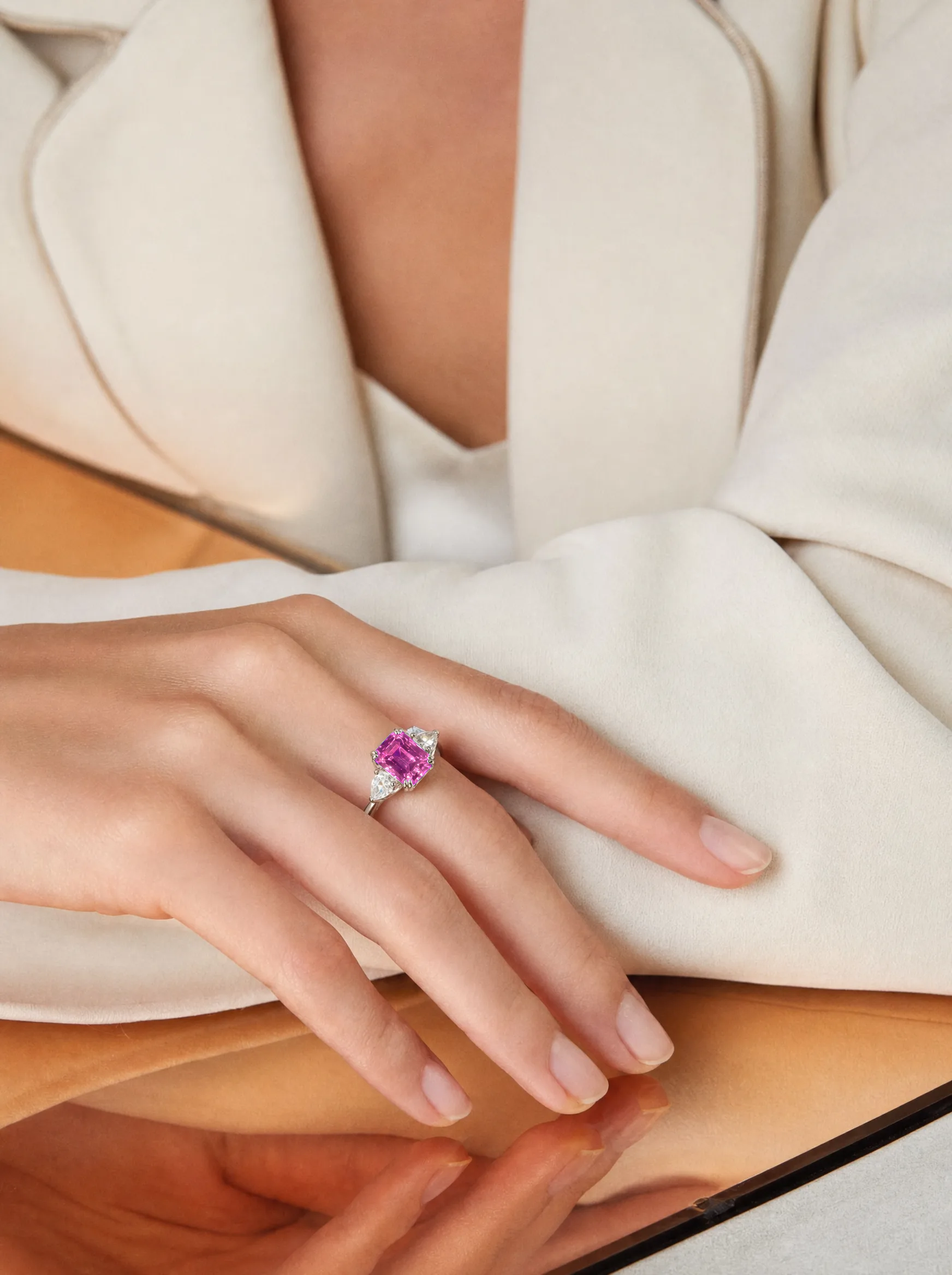
This is a short, practical guide to doing it well: how to choose an anchor piece, when to match and when to complement, how proportion holds a set together, and where a ring fits in if you decide to add one. It is also, in a fairly direct sense, the thinking behind Build Your Set — our own answer to the same problem, for anyone who would rather have the matching worked out for them.
Start With One Piece, Not Three
The easiest way to build a set is to stop trying to choose three pieces at once. Pick one first — usually the necklace or pendant, since it sits closest to the face and does the most visual work — and let everything else answer to it. Once the stone colour, the metal tone, and the general character of that first piece are settled, the earrings and bracelet stop being open-ended decisions and become a much narrower question: what goes with this.
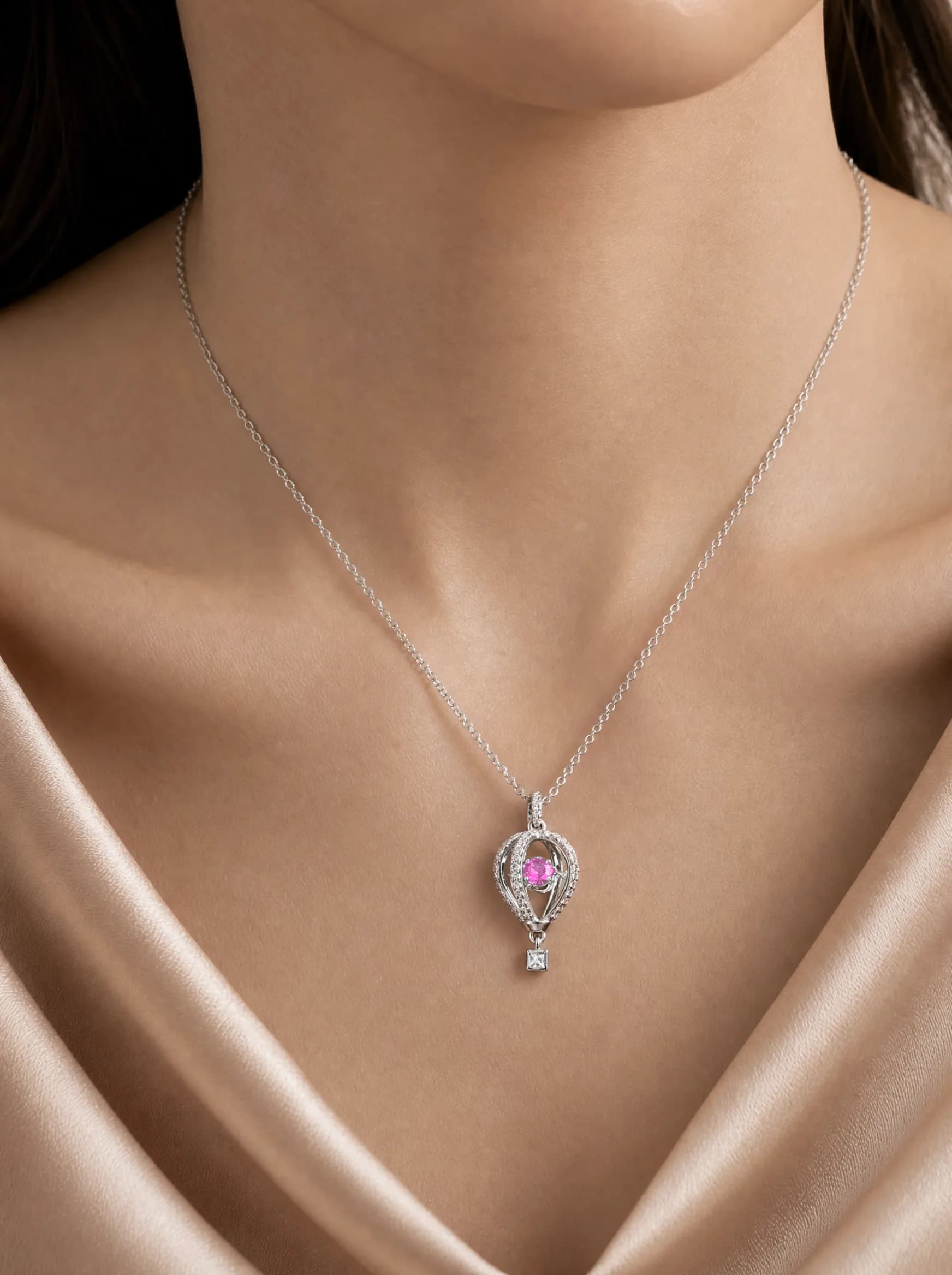
A piece like the Fleur Necklace, with its five open petals and a single centre stone, sets a soft, drawn quality that earrings can pick up on without repeating outright. A piece like the Line Bracelet, a continuous run of stones along the wrist, sets a cleaner, more graphic tone. Neither is better as a starting point — the point is only to choose one anchor and let the rest of the set follow it, rather than shopping for three pieces in parallel and hoping they land together.
Matching Versus Complementing
A set does not require every piece to be identical, and treating it that way usually makes a set look more costume than considered. There are two honest ways to bring pieces together, and knowing which one you are doing helps the decisions that follow.
Matching means repeating the same stone and the same metal across every piece — a Solitaire Ring, Solitaire Bracelet, and matching drop earrings in the same colour, for instance. It reads as deliberate and cohesive, and suits an occasion where you want the set to be read as one clear statement.
Complementing means keeping the metal consistent while letting the stone or the setting vary — a diamond pendant with coloured-gemstone earrings in the same metal, for example. This is closer to how a colour wheel works: colours positioned near each other are described as analogous and read as harmonious, while colours placed opposite one another are complementary and create a more deliberate contrast (Adobe UK, n.d.). Either relationship can work in a jewellery set; the only real mistake is landing somewhere in between, where the pieces are close enough to look like they should match but don't quite.
If you are unsure which approach suits a particular set, matching is the safer choice and complementing is the more expressive one. Aurea's stone range is deliberately built so that both routes work cleanly, since the same setting is offered across the same handful of colours in every style.
Keep the Metal Constant
Of all the decisions in a set, metal tone is the one with the least room to move. Mixing warm and cool metals within a single outfit is a legitimate style choice on its own, but within one set — a necklace, earrings, and bracelet meant to be read together — a single metal tone is what actually holds the pieces together at a glance, before anyone has registered the stones at all. Choose the metal first, effectively, and choose it once for the whole set.
This is the part of set-building that is genuinely difficult to do from separate product listings, since metal tone can read slightly differently between photographs, screens, and lighting. It is also the exact problem Build Your Set was built to remove: choosing a necklace, a pair of earrings, and a bracelet from the same production run, made together so the metal and the stones are guaranteed to match rather than merely photographed to look close.
Let Proportion Do the Balancing
A set can match perfectly in colour and metal and still feel wrong if the proportions are off — a delicate pendant paired with an oversized cuff, or fine stud earrings beneath a heavy statement necklace. Balance in a jewellery set works much like balance in an outfit: pieces of similar visual weight sit together comfortably, while one dramatically larger piece needs the others to step back and support it rather than compete.
A useful shorthand borrowed from styling more broadly is the rule of three: a simple, two-piece base is often lifted by one considered third element rather than several competing ones (Inside Out Style, 2021). Applied to jewellery, this suggests restraint over addition — a necklace and earrings that agree, plus one further piece, usually reads as more finished than four pieces stacked at once. If you are building toward a full set with a ring included, let the ring be the quieter piece, echoing the stone rather than introducing a new shape or scale.
Delicate anchor piece: pair with similarly fine earrings — a Teardrop Pendant sits comfortably beside small stud or drop earrings rather than a heavy hoop.
Statement anchor piece: let it lead — a Cushion Halo Ring or Trilogy Ring can carry a set on its own, with a simpler bracelet and earrings supporting rather than matching it stone for stone.
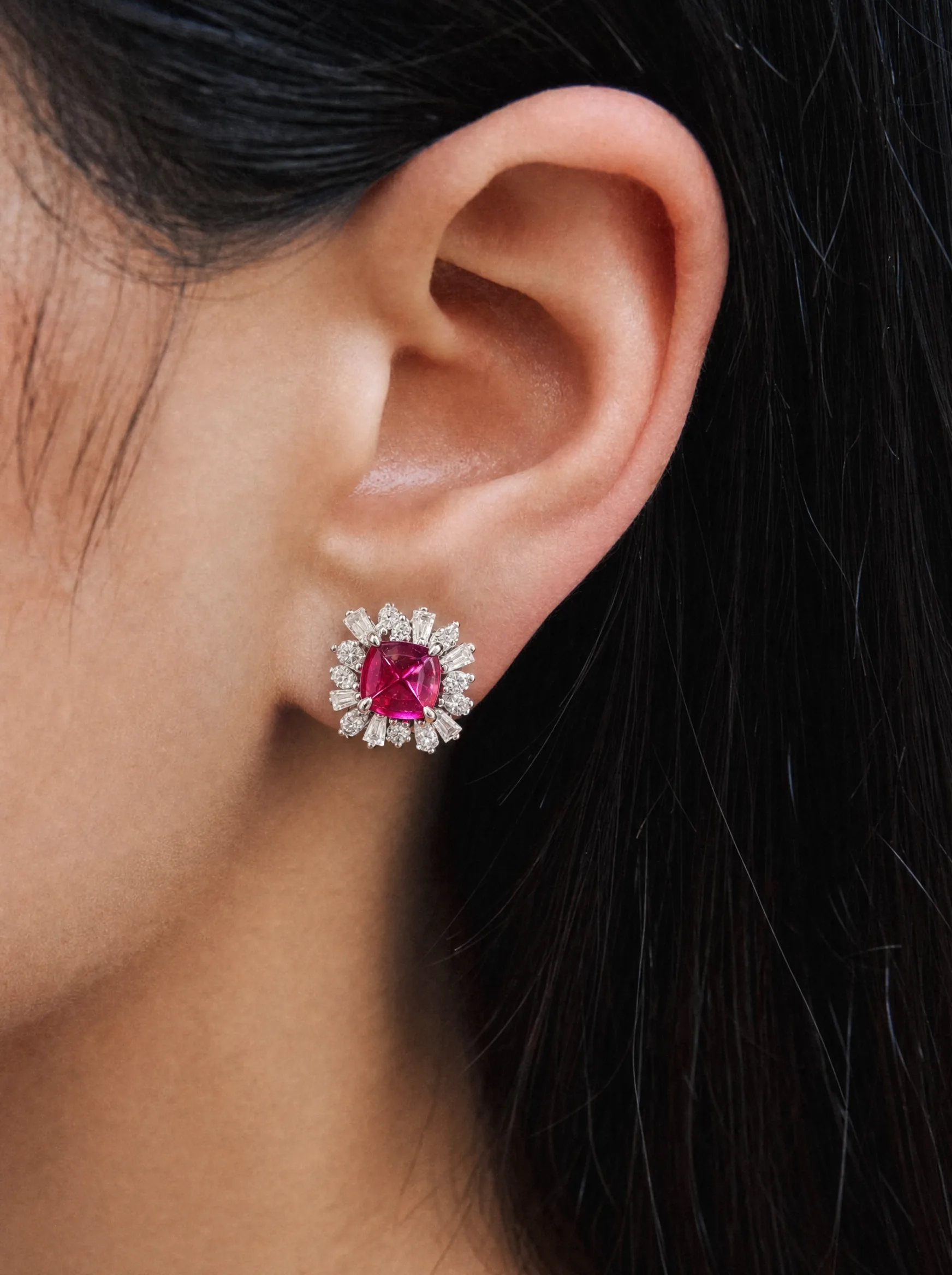
Everyday set: favour pieces sized to be worn daily without a second thought — a Solitaire Bracelet and Bloom Earrings, for example, sit at a similar, unobtrusive scale.
Where the Ring Fits
A ring is the optional fourth piece in a set, and it behaves a little differently from the others because it is seen at a much closer range, usually with the hand in motion rather than at rest. It does not need to match the necklace stone for stone to belong to the same set; it needs to share the metal, sit in the same general family of colour or clarity, and avoid competing with whichever piece is doing the most visual work elsewhere. A ring is often the easiest piece to add last, once the rest of the set is settled and its role — quiet support, or a second focal point — is clear.
Building the Set, Rather Than Assembling One
The reasoning above is really just a way of describing what already happens when a set is made together rather than pieced together after the fact. Build Your Set lets you choose a necklace or pendant, a pair of earrings, and a bracelet — with a ring added if you like — from the same stone and the same metal, made as a single order rather than three separate ones. The matching is resolved at the point of making, not left to chance across product photography or three different checkouts.
If you already know the piece you want to build around, start there and add to it. If you would rather talk it through, a consultation is a straightforward way to work out a set with a jeweller directly — stone by stone, piece by piece — before anything is made.
Frequently Asked Questions
Does jewellery in a set have to match exactly?
No. A set can either match — the same stone and metal repeated across every piece — or complement, where the metal stays consistent but the stone or setting varies. Both are legitimate approaches; the aim is a clear relationship between pieces, not identical repetition.
How many pieces of jewellery should you wear at once?
There is no fixed number, but restraint tends to read better than addition. A considered necklace-and-earrings pairing, with one further piece such as a bracelet or ring, generally looks more finished than several pieces layered without a clear relationship between them.
Can you mix gold and silver-toned jewellery in one set?
Mixed metals can work well across an outfit, but within a single set — pieces meant to be read together — keeping to one metal tone is what makes the set read as a set rather than a collection of separate pieces.
What should I choose first when building a jewellery set?
Start with one anchor piece, usually the necklace or pendant, since it sits closest to the face. Settle its stone, metal, and character first, then choose the earrings and bracelet in relation to it.
What is Aurea's Build Your Set feature?
Build Your Set lets you choose a necklace or pendant, earrings, and a bracelet — with a ring optional — made together in the same stone and metal, so every piece in the set matches by construction rather than by chance.
Sasha Verlaine
The Art of Layering: Everyday Elegance, Piece by Piece
An Aurea journal guide to layering fine jewellery well: necklace lengths, bracelet stacking, and why restraint reads as elegance.
A coloured stone doesn't have to match anything. It just has to suit the person wearing it.
The 4Cs, Explained Simply: Cut, Colour, Clarity, and Carat
A clear, calm guide to the 4Cs of diamonds — cut, colour, clarity, and carat — and how they apply equally to lab-grown stones. From Aurea.