
Learn
Everyday Wear vs Special Occasion Jewellery | Aurea
A calm, evidence-based guide to what fine jewellery can handle every day, and the moments worth removing it for: sport, swimming, cleaning, and cosmetics.
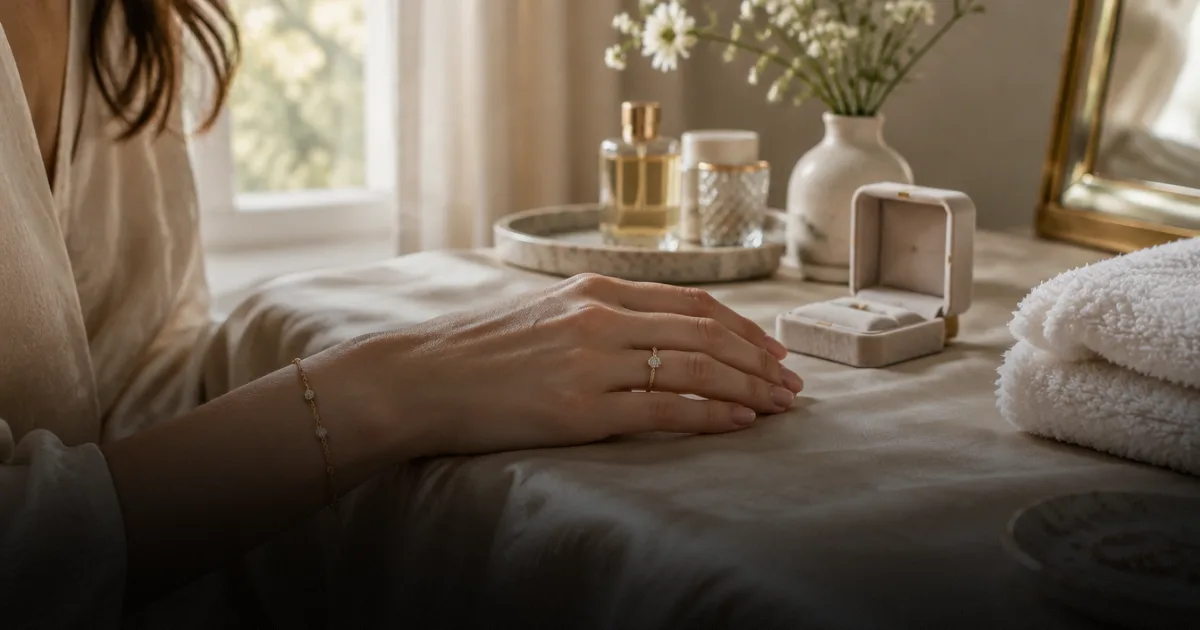
Fine jewellery earns its name by being worn, not admired from a drawer. A well-made piece — cut from a hard, certified stone and set in solid metal — is built to sit against skin through ordinary days: typing, driving, dressing, the small motions that make up most of a life. What actually puts a piece at risk is rarely daily wear itself. It is a short list of specific moments — a swim, a gym session, a spray of perfume, a scrub with a household cleaner — that ask more of a piece than everyday movement ever does. Knowing which is which lets you wear what you love without either overthinking it or leaving it in the box for "someday."
What Everyday Wear Actually Asks of a Piece
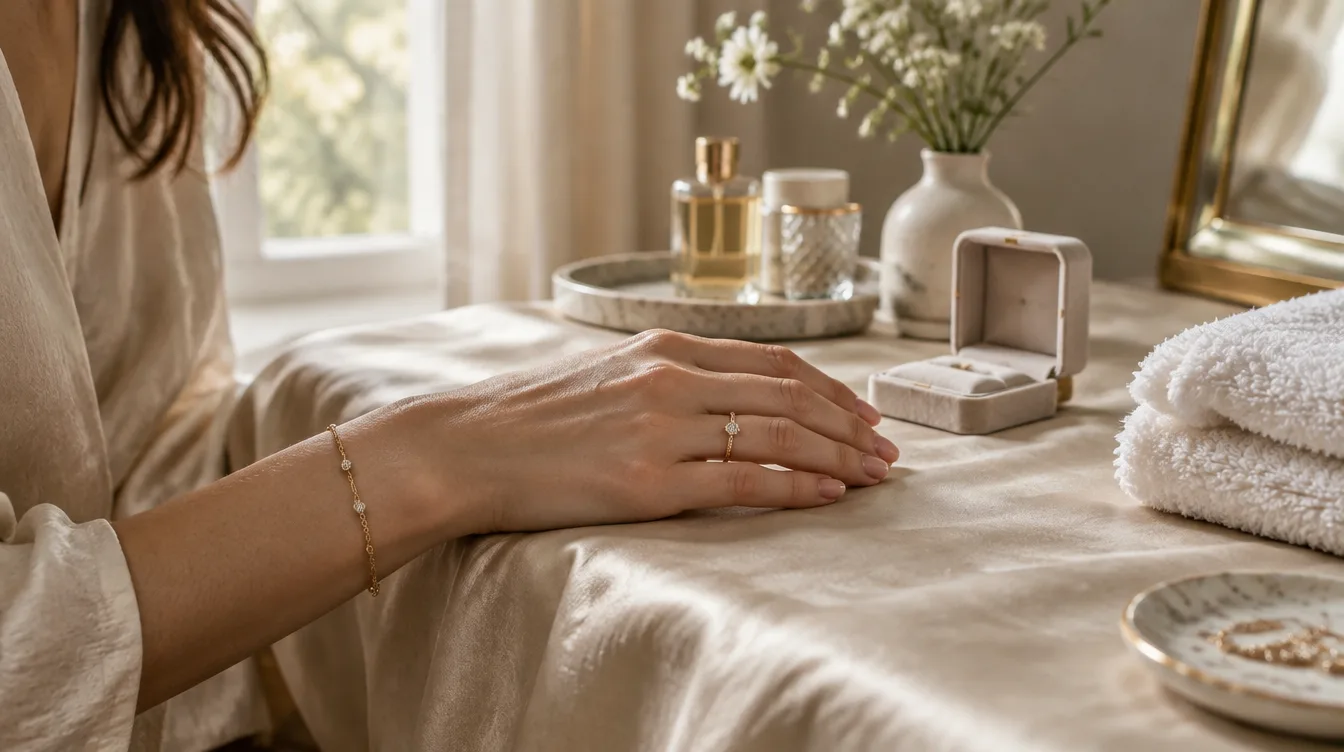
Most fine jewellery is more resilient than people assume, largely because of what it is made from. Diamond is the hardest naturally occurring material known, ranking 10 on the Mohs scale of mineral hardness — the standard gemologists use to describe how resistant a material is to scratching (GIA, n.d.-b). Ruby and sapphire, both varieties of corundum, sit close behind at 9, hard enough to resist scratching from almost everything encountered in daily life bar another gemstone (GIA, n.d.-b). None of this changes depending on whether a stone was grown in a laboratory or drawn from the ground: a lab-grown diamond, and a lab-grown ruby or sapphire, share the exact hardness — and the exact vulnerabilities — of their mined counterparts.
Hardness, though, is only part of the picture. Gemologists also weigh toughness, meaning resistance to chipping or breaking, and stability, meaning how a stone holds up against heat, light, and chemical exposure over time (GIA, n.d.-b). A stone can be hard and still be broken by a sharp knock at the wrong angle, or dulled by the wrong chemical, regardless of how high it ranks on the hardness scale. That is why the handful of moments below matter more to a piece's lifespan than years of ordinary wear ever will.
A Few Moments Worth Taking Jewellery Off For
None of the following calls for treating a piece as fragile. It simply means pausing at a short list of predictable moments.
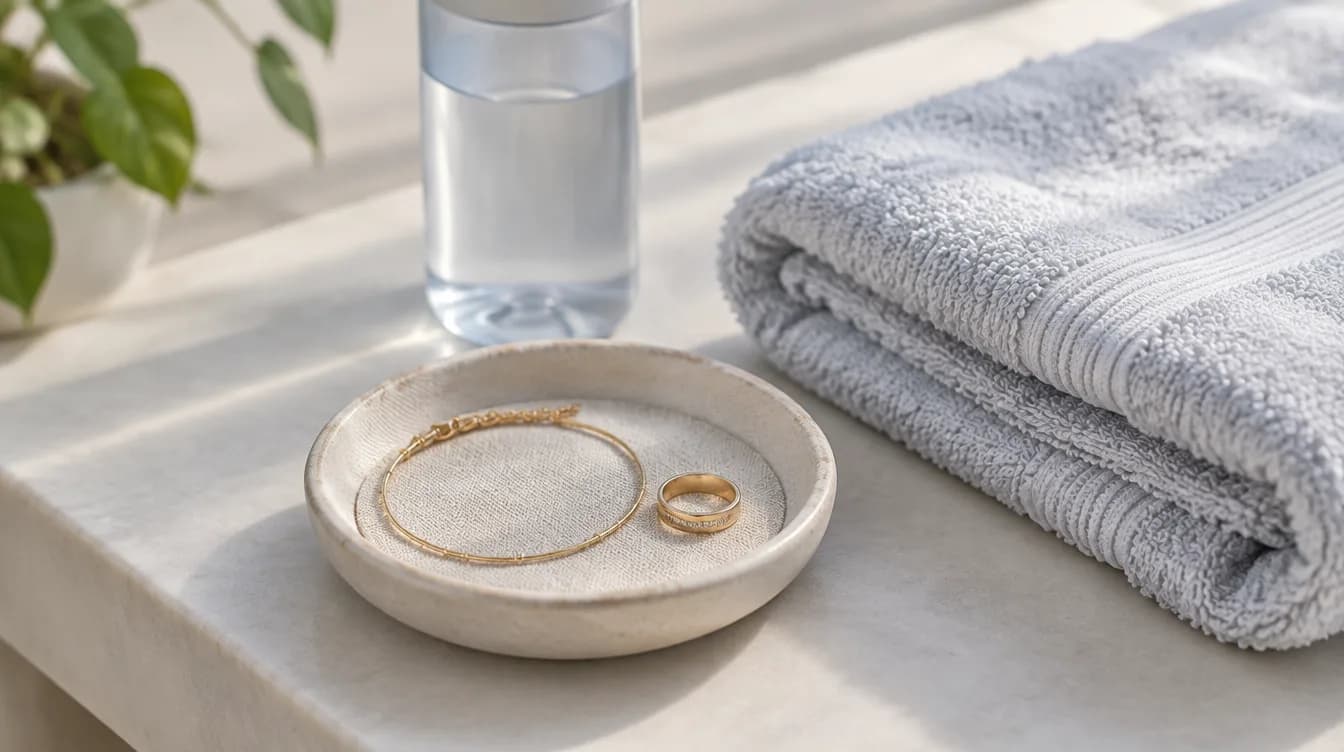
Exercise and sport. Weights, resistance bands, and racquet sports put repeated, direct pressure on rings and bracelets in particular — pressure a setting is not designed to absorb the way a wrist or finger can. A ring can also bend or loosen against a barbell without the wearer noticing until later. Slipping rings and bracelets into a pouch before a workout, and back on afterwards, avoids an entirely preventable knock.
Swimming, hot tubs, and the sea. Chlorine is genuinely harsh on fine jewellery: the Gemological Institute of America (GIA) advises that fine jewellery "should be removed before diving into a chlorinated swimming pool," noting separately that chlorine bleach and similar solvents "can pit or damage gold alloys" (GIA, n.d.-a). Jewelers Mutual Group, a specialist jewellery insurer, is just as direct: "salt water and chlorine can damage your jewelry," and a hot tub carries the same risk as a pool (Jewelers Mutual Group, n.d.). Cold water adds a quieter hazard of its own — fingers shrink slightly in it, which is exactly when a ring is most likely to slip off unnoticed.
Cleaning with household products. Bleach and other chlorine-based cleaners behave much like a chlorinated pool, only more concentrated, and the GIA warns plainly that they "can pit or damage gold alloys" (GIA, n.d.-a). Rings are easy to forget about mid-clean; leaving them by the sink before reaching for a cleaning product is a small habit that prevents a real problem.
Cosmetics, lotion, and perfume. Hairspray, body lotion, sunscreen, and perfume are minor everyday hazards precisely because they are so routine. The GIA notes that "even everyday substances like hairspray, lotion, perfume or other cosmetics can contain chemicals that will permanently damage the surface" of delicate stones and metals over time (GIA, n.d.-a), and Jewelers Mutual Group points out that lotion in particular "can get into the crevices of chains and prongs," leaving a dulling film behind (Jewelers Mutual Group, n.d.). The order matters more than the products themselves: cosmetics on first, jewellery on last, and jewellery off before washing it all away in the shower.
Which Pieces Suit Truly Everyday Wear
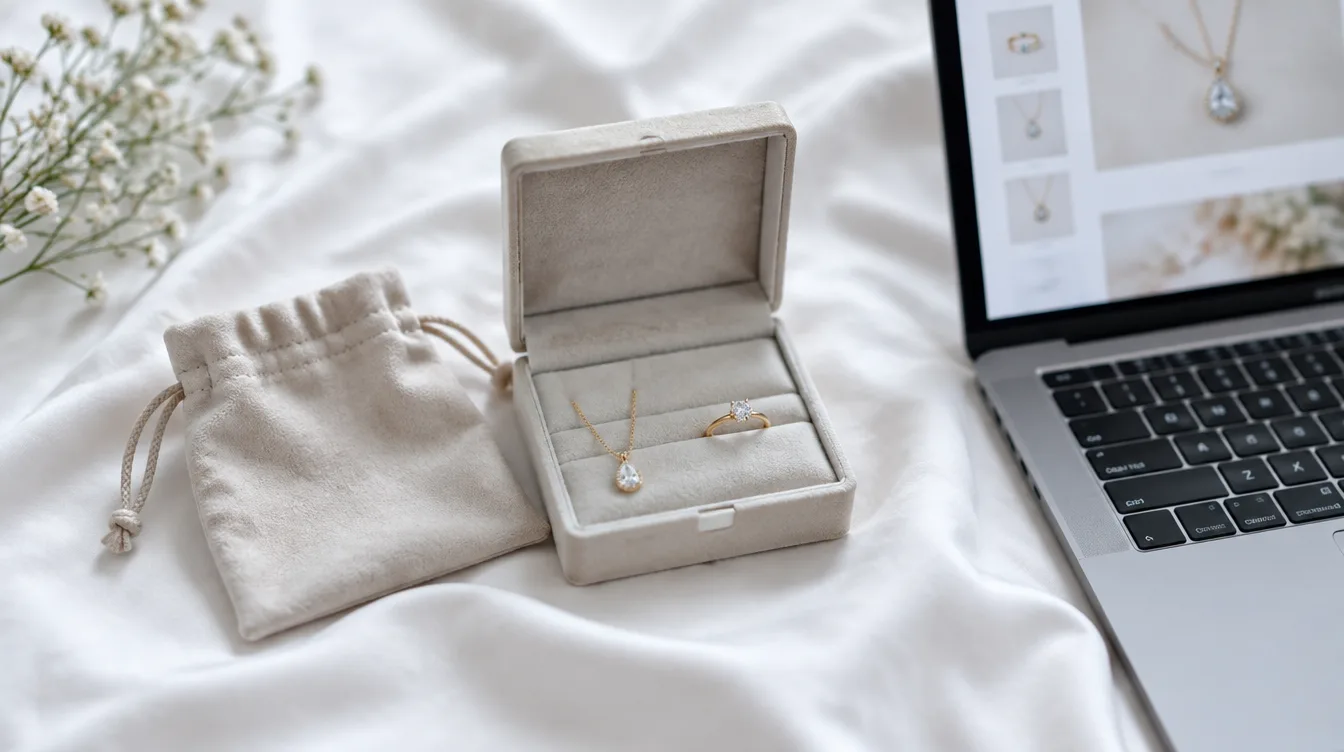
Not every piece needs the same level of caution, and the difference usually comes down to the stone and the setting rather than the occasion. Hard, tough stones set low and close, in a bezel or a well-secured claw setting, are the pieces best suited to being worn without a second thought — through work, travel, and the ordinary run of a week. Aurea's edit is built with this in mind: every stone in the collection, whether a lab-grown diamond or a lab-grown ruby, emerald, sapphire, or pink sapphire, is chosen for durability as much as colour, and every stone type is certified and graded to the same standard, whichever one you choose.
That said, gemologists draw a useful general distinction between softer, more porous stones — pearls, opals, and turquoise among them — and harder, denser ones. The American Gem Society notes that "delicate gems deserve delicate care," since everyday habits such as wearing perfume or soaking jewellery in water can damage soft, porous stones in ways that would barely register on a harder gem (American Gem Society, n.d.). Rings and bracelets, simply by virtue of where they sit on the body, also meet far more daily contact than a pendant or a pair of earrings, so a particularly delicate stone tends to suit a necklace or earring setting better than a ring intended for daily wear.
This is really what "everyday wear versus special occasion" comes down to: not a rule about which piece is precious enough to earn a rest, but an honest look at hardness, setting, and how much daily contact a piece will actually meet. A short conversation with a jeweller — or a tool like Find Your Piece — can help match a stone and setting to how you actually plan to live in it, rather than how it looks under a single showroom light.
A Few Habits That Protect a Piece Over a Lifetime
Last on, first off. Apply cosmetics, perfume, and sunscreen before jewellery, and remove jewellery before washing it away in the shower or sink.
Off for the pool, the gym, and the cleaning cupboard. A brief pause, not a permanent one — the piece goes straight back on once the activity is done.
Store pieces separately. Fabric-lined compartments or individual pouches keep harder stones from scratching softer metals, and pieces from tangling with one another (Jewelers Mutual Group, n.d.).
Have settings checked periodically. A loose stone rarely announces itself before it is lost; a jeweller can check prongs and settings in a few minutes (GIA, n.d.-a).
Clean gently, at home, between checks. Warm water, a mild soap, and a soft brush are usually enough for most fine jewellery; more delicate or porous stones are the exception, and worth asking a jeweller about directly (American Gem Society, n.d.).
Worn Fully, Not Kept for "Someday"
None of this is a reason to treat fine jewellery as too precious to actually wear. A piece chosen for durability, set with care, and given a small amount of ordinary consideration is meant to move through a life fully, not sit waiting for occasions rare enough to feel safe. The handful of pauses above are quick enough to become habit within a few weeks — and specific enough that the rest of the time can simply be worn.
If you are choosing a piece and want to know how it will hold up to the way you actually live — daily wear, occasional wear, or a mix of both — a complimentary consultation is a good place to ask. A jeweller can talk through stone, setting, and care together before you order, so the piece you choose is one you will not think twice about reaching for. The Education section carries the same approach applied to certification, the 4Cs, and choosing between stones — everything we'd tell you across the counter, written down instead.
Frequently Asked Questions
Can I wear my fine jewellery every day?
In most cases, yes. Pieces set with hard, tough stones such as diamond, ruby, or sapphire in a secure setting are generally well suited to daily wear. The exceptions are specific moments — sport, swimming, cleaning, and applying cosmetics — worth briefly removing jewellery for, rather than daily wear itself.
Should I take off my rings before exercising?
It is worth it, particularly for weights, resistance training, or racquet sports, where a ring can meet repeated direct pressure or knock against equipment. Slipping rings and bracelets off before a workout, and back on afterwards, is a simple habit that avoids an easily preventable knock.
Is it safe to wear jewellery in the pool, hot tub, or sea?
It is best avoided. Chlorine and salt water can discolour and pit gold and platinum and dull gemstone surfaces over time, and cold water can cause fingers to shrink slightly, making rings more likely to slip off unnoticed.
Does perfume or lotion damage jewellery?
It can, over time. Cosmetics, lotion, sunscreen, and perfume can leave a dulling film or, with repeated exposure, affect certain stones and finishes. Applying them before putting on jewellery, rather than after, avoids most of the issue.
Which jewellery pieces are best suited to everyday wear versus special occasions?
Hard, tough stones such as diamond, ruby, and sapphire set securely in a bezel or claw setting generally suit everyday wear well. Softer or more porous stones such as pearl, opal, and turquoise are usually better suited to occasional wear, particularly in rings and bracelets, which meet more daily contact than pendants or earrings.
Theo Lindqvist
Writes about stones, for Aurea
Theo answers the questions people ask before they buy — about origin, certification, and what a stone actually is. He'd rather a piece read plainly than impressively.
Fine Jewellery Warranty and Care Explained | Aurea
A calm guide to how fine jewellery warranties work, why your certificate and receipt matter, and how Aurea supports your piece long after it arrives.
Is a Lab-Grown Diamond a Real Diamond? The Honest Answer
Same carbon, same hardness, same fire. See what the FTC, GIA, and IGI actually say about lab-grown diamonds, and why Aurea sets only grown, certified stones.
How Lab-Grown Diamonds and Gemstones Are Made | Aurea
How lab-grown diamonds and coloured gemstones are grown, not mined: HPHT, CVD, and hydrothermal methods explained plainly, with sourcing from GIA and IGI.