
Gifting
The Quiet Joy of Buying Jewellery for Yourself | Aurea
A reflective Aurea journal piece on buying fine jewellery for yourself — no occasion needed, just a piece chosen to mark who you are now.
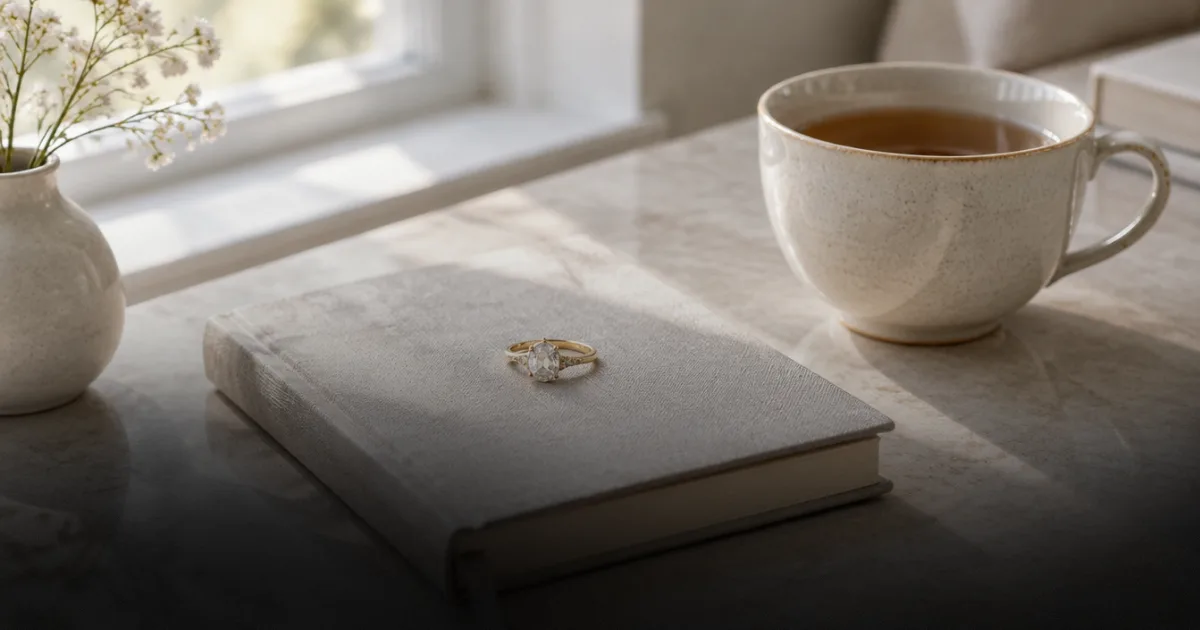
There is a particular kind of quiet that settles in after a good decision made alone. Not a decision made to please anyone, or to mark someone else's occasion, or to answer for later — just one made because it felt right, at a moment that belonged entirely to you. Buying a piece of fine jewellery for yourself often lands in exactly that quiet. No one asked you to. There is no anniversary to explain it, no card to write, no one waiting to be told the story behind it. You simply decided, and something is different now.
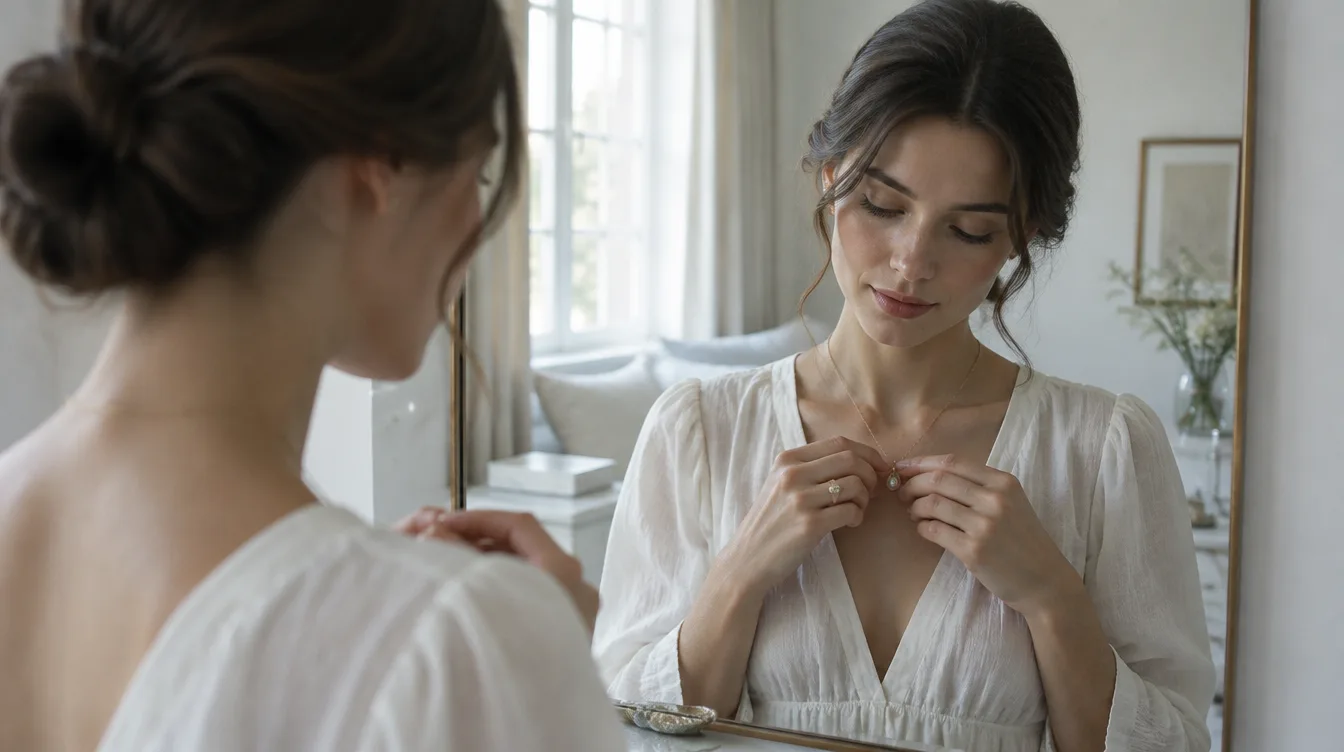
For a long time, fine jewellery has been framed almost entirely as something given — a proposal, an anniversary, a birthday chosen by somebody else on your behalf. That framing was never wrong; gifting jewellery matters, and always will. But it quietly obscured a simpler fact, one the industry itself is only now starting to say plainly: for a great many of the people buying fine jewellery today, the giver and the wearer are already the same person.
A Trend Wearing Quietly, in Full View
The shift is not new so much as newly counted. Back in 2018, a study of more than a thousand US women aged 25 to 40, conducted by MVI Marketing, found that just over half — 51 percent — had already bought jewellery for themselves rather than waiting to receive it (National Jeweler, 2018). By December 2025, a nationwide survey from the jewellery insurer BriteCo put the figure at 80 percent of American adults, rising to 86 percent among millennials (BriteCo, 2025). Asked why, the most common answers were not about proving anything to anyone: 22 percent said they were marking a milestone, 19 percent said they simply felt they deserved it, and 17 percent said, plainly, that they didn't need a reason at all (BriteCo, 2025).
The diamond industry now describes this openly, too. De Beers Group's 2025 Diamond Report found that women buying diamonds for themselves — to mark a personal milestone, or simply because they wanted to — now account for 31 percent of all natural diamond demand in the United States, with non-bridal occasions of every kind making up three-quarters of the market's total value (De Beers Group, 2025). What was once treated as an exception to how fine jewellery gets bought has become, by the numbers, close to the norm.
None of this needed a study to be true for the people already living it. What the figures do is something quieter but still useful: they confirm that a piece bought for no one but yourself was never really an outlier. It was simply under-discussed.
Waiting for Permission We Weren't Given
Much of the old hesitation was never really about the jewellery itself. It was about needing an occasion sturdy enough to justify the spending, and a story ready for whenever someone asked what it was for. A ring bought for an anniversary needs no explanation; it arrives with its reason already attached. A ring bought on an ordinary Tuesday, because a difficult year finally ended or a piece of work finally shipped, has sometimes had to come with a small defence prepared, just in case.
In Japan, where fine jewellery has long moved through a calendar of appointed occasions — anniversaries, milestone birthdays, Mother's Day — the idea of choosing a piece with no date attached still feels, to some, like it needs a little more nerve than choosing one for someone else. That instinct is understandable. It is also, increasingly, out of step with how people are actually buying. Marking your own year, quietly and on your own schedule, does not need anyone else's calendar to make it legitimate.
What a Piece Chosen for Yourself Actually Marks
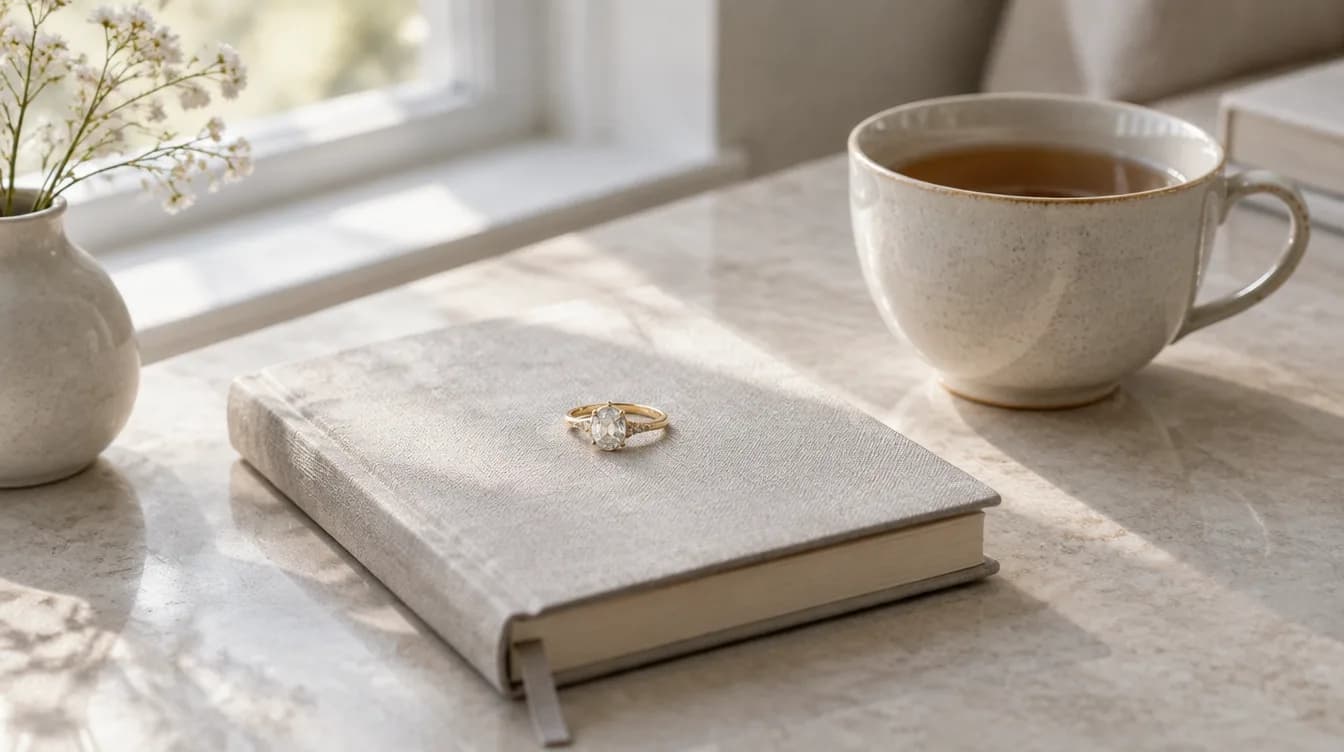
The milestones self-purchased jewellery tends to mark are rarely the ones that come with cards or announcements. A promotion no one outside the office will ever hear about. A house left, or a city arrived in. A hard chapter finally closed, quietly, without an audience. A birthday spent mostly alone, by choice or by circumstance, that still deserved something to show for it. None of these need witnesses to be real. They only need someone to notice — and that someone can simply be you.
This is, in a way, the most honest use fine jewellery has always had. A well-made piece is meant to outlast the moment it was bought in; that is precisely what makes it suited to marking a moment no one else needs to understand. Worn on an ordinary day, it becomes a small, private record — not of what someone else thought you deserved, but of what you decided for yourself.
It is worth noticing, too, how differently a piece sits once it has been chosen this way. A gift, however welcome, is always shaped a little by the giver's eye — their guess at your taste, their idea of the occasion. A piece bought for yourself skips that translation entirely. There is no need to be gracious about a colour you would not have picked, or to grow into a style someone else was sure would suit you. What you choose is simply, exactly, what you wanted — which may be the closest fine jewellery ever comes to being a form of self-portraiture.
Choosing Something That Is Actually Yours
Buying for yourself changes the calculation in a genuinely freeing way: there is no one else's taste to weigh against your own. That is worth taking seriously when it comes to choosing the stone. At Aurea, a lab-grown diamond and a lab-grown ruby, emerald, sapphire, pink sapphire, or light blue sapphire sit on entirely equal footing — both are real, both are certified, and neither is treated as the safer or the lesser choice. The only question worth asking is which colour you actually want to wear, not which category you feel you are supposed to prefer.
It helps, too, that nothing in the collection is made until it is chosen. Each piece is crafted to order — roughly 20 days from decision to dispatch, tracked from Singapore to wherever you are — which means the piece that eventually arrives exists because you decided it should, not because a date on a calendar required it. If you already know which style speaks to you, that is often all the certainty you need. If you don't, Find Your Piece is a short, five-question route to a shortlist worth a closer look, and a complimentary consultation is there for anyone who would simply rather talk it through with a jeweller first — no pressure, no obligation, just a conversation about what you actually want to wear.
A Piece Worth Choosing on Your Own Terms
There is nothing that needs defending about buying jewellery for yourself. Not the timing, not the reason, not the absence of an occasion to point to. A piece chosen this way carries its own quiet logic: it exists because you noticed something worth marking, and decided you were the right person to mark it.
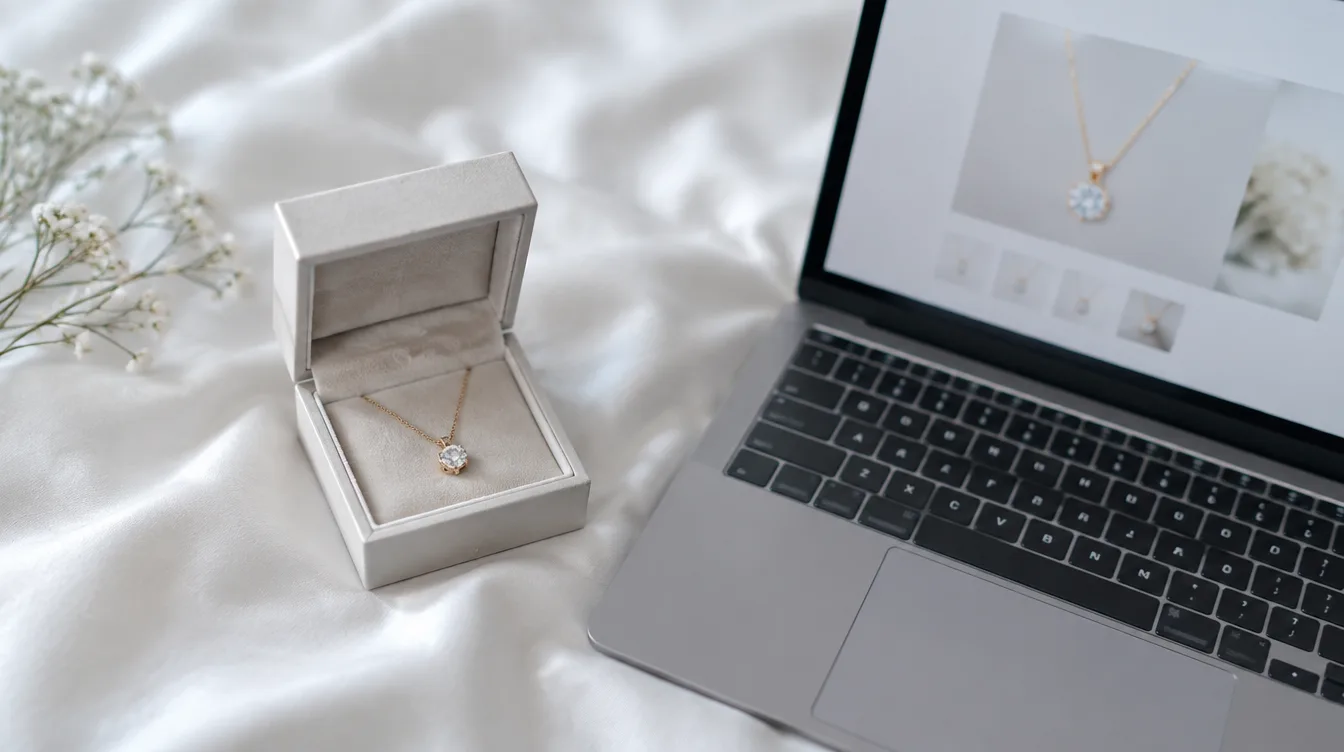
If a piece has been on your mind for a while, it may be worth simply exploring it — through Find Your Piece if you are still narrowing things down, or a complimentary consultation if you would rather talk it through with a jeweller before deciding anything at all.
Sasha Verlaine
Writes about wearing it, for Aurea
Sasha writes about the part that happens after a piece arrives — colour, pairing, and buying for yourself as readily as for someone else.
Gifting Fine Jewellery for Life's Milestones | Aurea
A calm guide to gifting fine jewellery for anniversaries, milestone birthdays, Mother's Day and graduations, tuned to Japanese gift-giving custom.
The 4Cs, Explained Simply: Cut, Colour, Clarity, and Carat
A clear, calm guide to the 4Cs of diamonds — cut, colour, clarity, and carat — and how they apply equally to lab-grown stones. From Aurea.
How to Find Your Ring Size at Home
A calm, practical guide to measuring your ring size at home using string, paper, or a ring you own — plus how Japanese sizing differs.